It really comes down to this: the 'break' of a shoe's waist is one of those subtle yet telling details that reveal the difference between a hastily mass-produced pair and a handcrafted marvel. Ever wonder why one pair of leather shoes costs $80 and another costs $800? Beyond the glossy finish and brand name lies an orchestra of craftsmanship, materials, and design philosophies—each striking a chord that impacts fit, durability, and overall elegance.
The Break of a Shoe's Waist: What Are We Talking About?
Before we dive deeper, let's get on the same page. The waist of a shoe is the narrowest part of its sole, generally found beneath the arch of your foot. Now, the break refers to how that waist curves or angles inward, or in technical terms, the shaping and "give" in that section of the sole. This is crucial for both aesthetic and functional reasons—it affects arch support and the overall shoe shape.
To put it plainly, think of the break as the shoe’s natural “bend zone.” A well-executed break aids in comfort and walking fluidity, while a poorly designed or flat waist makes the shoe feel rigid or clunky.
Why Does the Break Matter? The Case for Beveled and Fiddleback Waist Construction
High-end shoemakers, like the folks at Acemarks, pay meticulous attention to the break by incorporating what's known as beveled waist shoe construction. This means the sole tapers elegantly into the waist, creating a gentle, supportive curve that follows the anatomy of the foot.
Even more distinctive are fiddleback waist shoes. The fiddleback is a subtle hourglass shape in the sole’s waist area that not only enhances the shoe's silhouette but provides artful arch support. Pretty simple.. It’s like the difference between a tailor-made dinner jacket and something off the rack—one hugs your frame, the other simply covers.
Arch Support and Shoe Shape: More Than Skin Deep
These nuanced waist designs aren't just for looks. They play a crucial role in arch support and shoe shape. Proper lift and contouring in the waist vegetable tanned leather shoes section mean less strain on your feet and better posture—elements often overlooked when selecting mass-market shoes.

Craftsmanship vs. Mass Production: The Tale Told by Your Shoe’s Waist
So, what’s the big deal about a Goodyear welt? For starters, it’s an old-world construction method where a strip of leather—or the welt—is stitched between the insole and outsole. This technique creates a shoe that's not only durable but also repairable, allowing the sole to be replaced without damaging the upper. The welt frames the shoe’s waist beautifully, preserving the break and arch support over time.
Contrast that with Blake stitching, where the outsole is sewn directly to the insole. This yields a sleeker, lighter shoe but sacrifices some water resistance and reparability. Both have their places, yet neither matches the robustness and timeless refinement of a properly beveled waist in a Goodyear welted shoe.
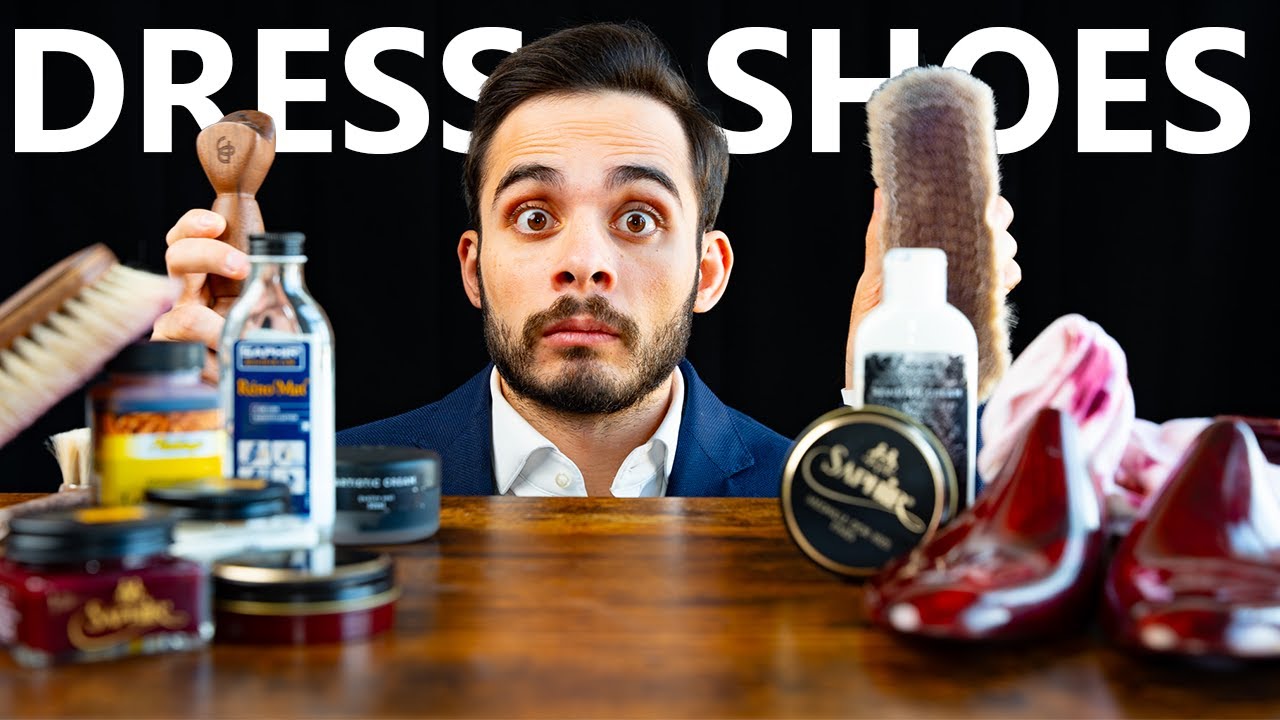
And then, sadly, there’s what I call the 'glued-on shortcut'—cemented soles. These shoes often sport exaggerated breaks or none at all because the outsole is pasted on without the precision of stitching. They're cheap to make and replace but lack the character, longevity, and support that true craftsmanship provides.
The Crucial Role of Material Quality: Full-Grain Leather vs. Corrected Grain
Here’s a frequent misstep shoppers make: buying shoes labeled “corrected grain leather” thinking it’s premium. Think of it like buying a suit with polyester lining but expecting cashmere warmth. Corrected grain leather has been buffed and coated to hide imperfections, robbing it of natural texture and the ability to develop a rich patina over time.
On the other hand, full-grain leather—the kind you find in true bespoke shoes—retains the natural surface, imperfections and all. This leather develops character as it ages, forming a patina that gives each shoe a unique personality. You can spot a full-grain shoe a mile away by the subtlety of its sheen and the depth of its color.
Acemarks, for example, prides itself on using full-grain leather, marrying it with superior construction methods. The result? Shoes that feel alive, breathable, and comfortable right out of the box and only better with years of wear.
How to Recognize Quality: Beyond the Label
Now, while the label might say “genuine leather,” this can mean little. If you tap your shoe on a hardwood floor, a high-quality, Goodyear welted shoe with a beveled waist produces a clear, somewhat hollow ring. In contrast, glued soles or cheap leather give off a dull thud that says “I wasn’t built to last.”
Similarly, the presence of a well-shaped waist break that supports your arch is a strong indicator of a thoughtfully constructed shoe. It shows the maker understands anatomy and is willing to invest time in precise shaping.
Table: Comparing Construction Methods at a Glance
Construction Method Durability Arch Support & Waist Break Reparability Typical Cost Range Goodyear Welt High Excellent (beveled or fiddleback waists common) High (soles replaceable) $$$ - $$$$ Blake Stitching Moderate Good (sleeker waist shape) Moderate $$ - $$$ Cemented (Glued) Low Poor to None Low (soles not replaceable) $ - $$Why Shoe Trees Matter: Preserving the Waist Break and Shape
Before we wrap up, let me address a pet peeve of mine: shoe trees are not optional if you value your investment. Proper shoe trees help maintain that elegant break of the waist and keep the leather smooth, preventing creasing in all the right places. Neglecting them means the waist collapses, and your shoe loses its arch support and overall shape—no matter how good it was to begin with.
Final Thoughts: Buy Once, Buy Right
When you shop for shoes, keep your eye on the waist break, the construction method, and the type of leather used. Brands like Acemarks offer a great balance of traditional craftsmanship and contemporary style, producing shoes that honor the foot’s natural contours with beveled or fiddleback waists and sturdy Goodyear welts.
Remember, a shoe is more than just something to put on your foot—it’s a finely tuned piece of art and engineering working together to support you every step of the day. Paying attention to these details will steer you away from cheap knock-offs and ensure your shoes serve you well for years.
Invest in quality, respect craftsmanship, and always treat your shoes with the care they deserve.